The Differences Between Flight Legends and Traditional Crash Games

The Differences Between Flight Legends and Traditional Crash Games
The gaming industry has seen a significant evolution over the years, particularly in the realm of simulation and arcade-style games. Among the notable genres are flight simulation games, such as Flight Legends, and traditional crash games, which often focus on destruction and chaos. While both genres provide unique gaming experiences, they differ fundamentally in gameplay mechanics, objectives, and player engagement.
Flight Legends is a flight simulation game that emphasizes realism and the intricacies of piloting aircraft. Players are often tasked with navigating various aircraft through realistic environments, focusing on aspects such as aerodynamics, weather conditions, and flight mechanics. The primary objective in Flight Legends is not just to fly but to master the art of aviation through various challenges, including completing missions, participating in air races, or engaging in aerial combat. The game often incorporates detailed graphics and physics engines that replicate real-world flying conditions, providing players with a sense of authenticity and immersion.
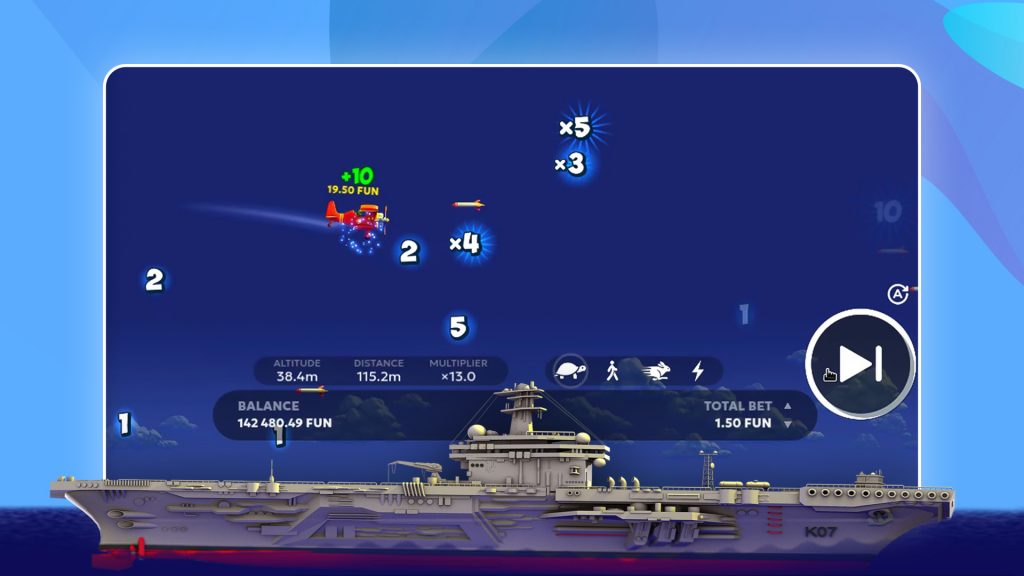
In contrast, traditional crash games, such as those that focus on demolition derby or vehicular mayhem, prioritize destruction over realism. The main objective is typically to cause as much damage as possible within a set time limit or to outlast opponents in chaotic environments. These games often feature exaggerated physics and cartoonish graphics, allowing players to engage in over-the-top destruction without the constraints of realism. The thrill of crash games lies in the immediate gratification of witnessing spectacular explosions and wreckage, making them appealing to players who enjoy fast-paced, action-oriented gameplay.
One of the key differences between these two genres is the target audience. Flight Legends attracts players who appreciate simulation and strategy, often appealing to aviation enthusiasts or those seeking a more cerebral gaming experience. These players may enjoy the challenge of learning complex controls and mastering intricate flight patterns. On the other hand, traditional crash games appeal to a broader audience looking for quick entertainment and adrenaline-fueled action. The simplicity of controls and the focus on fun and chaos make these games accessible to casual gamers.
Another significant distinction is the level of player engagement and progression. In Flight Legends, players often experience a structured progression system where they can unlock new aircraft, upgrade their skills, and complete increasingly challenging missions. This sense of achievement and growth can lead to long-term engagement as players strive to improve their piloting abilities. Conversely, traditional crash games typically offer a more straightforward progression system, often relying on unlocking new levels or vehicles through gameplay rather than skill mastery. The enjoyment comes from the immediate thrills, rather than a sustained sense of growth.
In summary, while both Flight Legends and traditional crash games offer entertaining experiences, they cater to different player preferences and gaming styles. Flight Legends provides a detailed and immersive simulation of aviation, appealing to those who appreciate realism and strategic gameplay. In contrast, traditional crash games focus on chaotic fun and immediate gratification, attracting players looking for quick and exhilarating entertainment. Understanding these differences helps gamers choose the right experience that aligns with their interests and gaming preferences.